

Warehouse efficiency is rarely the result of luck. It is the outcome of thoughtful planning, smart design, and storage systems that support how goods actually move through a facility. Some of the most efficient logistics operations in the world, including Amazon and Aldi, have built their success on warehouse layouts that maximise productivity while maintaining safety.
While most businesses do not operate at the scale of these global organisations, the principles behind their warehouse design can be applied to operations of any size. With the right layout, storage systems, and operational planning, businesses can dramatically improve productivity and reduce unnecessary costs.
Companies like Dalvie Systems, which specialise in warehouse racking inspections, repairs, and storage system solutions, regularly help businesses optimise their warehouse environments so they operate more efficiently and safely.
Why Warehouse Layout Matters More Than You Think
Warehouse layout directly impacts how efficiently products move through a facility. Poorly designed layouts can create bottlenecks, increase travel distances for staff and forklifts, and reduce overall productivity.
When a warehouse is organised effectively, operations benefit from:
- Faster picking and packing processes
- Reduced travel time within the warehouse
- Improved safety for workers and equipment
- Increased storage capacity
- Better overall operational flow
For high-volume operations like Amazon, even small improvements in layout can translate into huge productivity gains. But these principles are just as valuable for mid-sized warehouses and distribution centres.
Designing for Flow, Not Just Storage
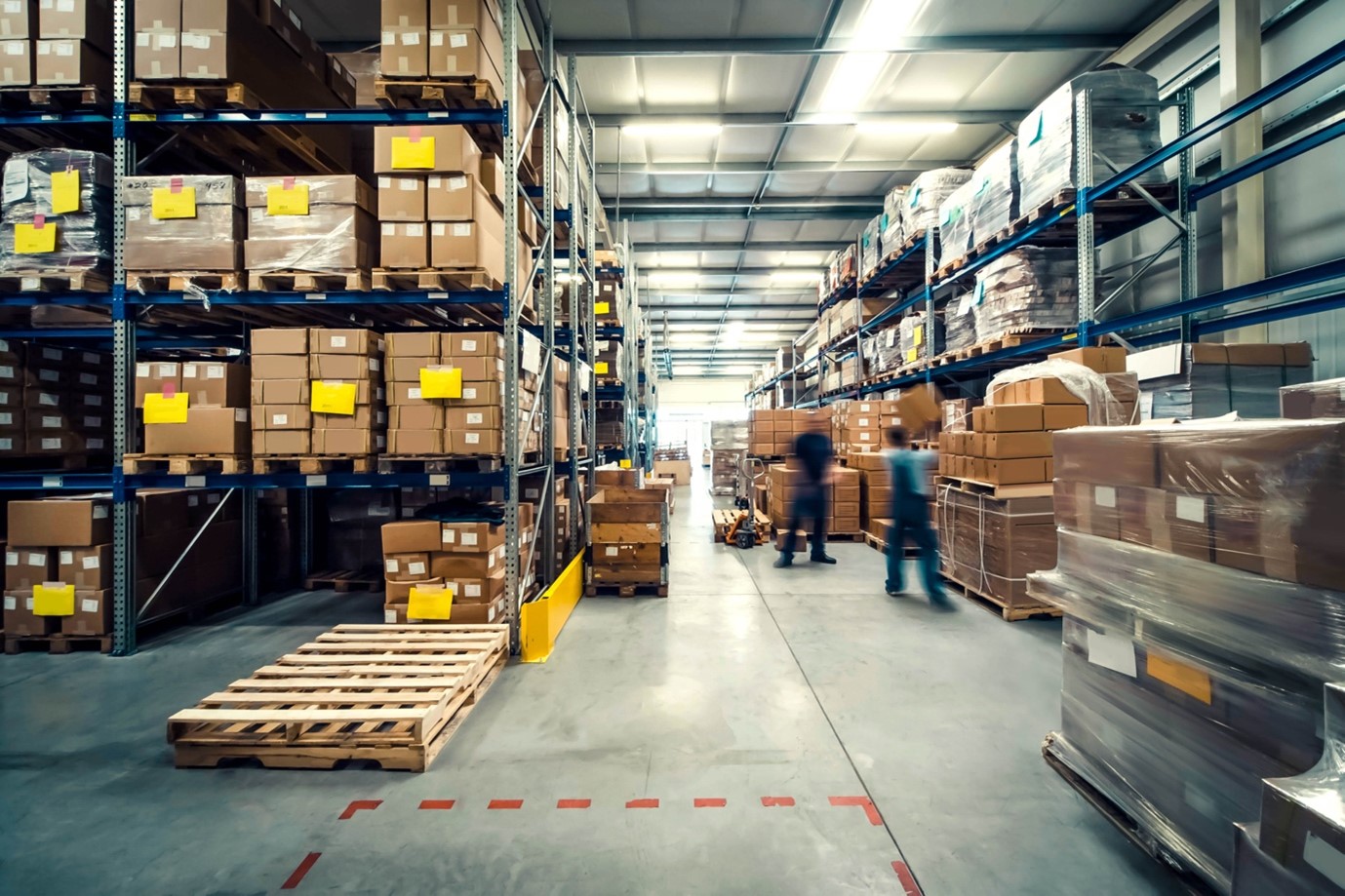
One of the key lessons from companies like Amazon and Aldi is that warehouses should be designed around workflow, not simply storage capacity.
Many warehouses make the mistake of trying to fit as much stock as possible into a space without considering how goods move through the facility. The result is often congested aisles, inefficient picking routes, and slower dispatch times.
Instead, successful warehouses prioritise flow. Receiving, storage, picking, and dispatch areas are positioned in a way that allows goods to move logically through the building.
Warehouse specialists such as Dalvie Systems often help businesses review existing layouts and racking configurations to ensure they support operational efficiency rather than hinder it.
Reducing Travel Time
Another major factor in warehouse efficiency is travel time. In many facilities, workers spend a large portion of their day walking or driving forklifts between storage areas and picking zones.
Amazon addresses this challenge through strategic product placement. Frequently ordered products are positioned closer to packing stations, reducing the distance workers need to travel.
This principle, known as slotting optimisation, can easily be applied in smaller warehouses. By analysing order patterns and repositioning popular products, businesses can significantly reduce wasted movement.
Making the Most of Vertical Space
Warehouse space is expensive. Expanding a building or moving to a larger facility is often costly and disruptive.
For this reason, many efficient warehouses focus on maximising vertical storage capacity rather than expanding floor space.
Modern racking systems allow businesses to safely store products at greater heights, increasing storage density while maintaining accessibility.
However, taller racking systems must be properly installed and maintained. Regular racking inspections are essential to ensure the structures remain safe and compliant with safety regulations.
This is where companies like Dalvie Systems play an important role. Their racking inspection and maintenance services help ensure that warehouse storage systems remain structurally sound while supporting efficient operations.
Clear Aisles and Safe Traffic Flow
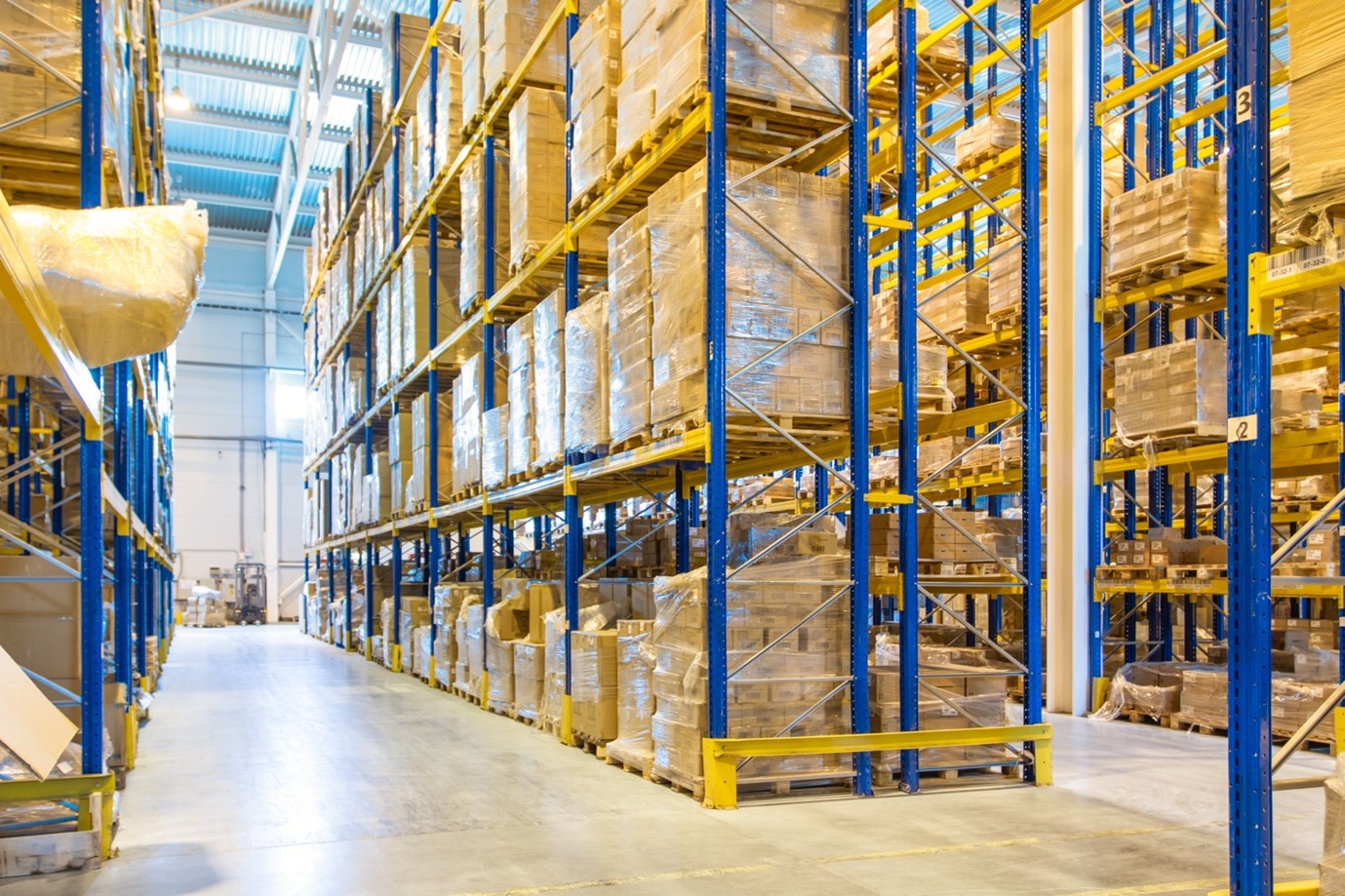
Efficient warehouses prioritise clear aisle systems that allow both workers and machinery to move safely.
Cluttered aisles or poorly organised racking layouts increase the risk of forklift collisions and product damage. Retailers like Aldi operate highly organised logistics environments where clearly defined traffic routes allow staff to restock quickly and efficiently.
Maintaining clear aisle access, protecting rack uprights, and ensuring racks remain structurally sound all contribute to safer and more efficient warehouse operations.
Investing in Reliable Racking Systems
Racking systems are the backbone of warehouse storage. When designed correctly, they maximise storage capacity while allowing fast access to inventory.
Adjustable pallet racking systems are particularly popular because they allow warehouses to adapt storage layouts as inventory requirements change.
Working with specialists such as Dalvie Systems ensures racking systems are installed correctly, inspected regularly, and maintained to meet safety standards.
Small Improvements, Big Results
You do not need the resources of Amazon to benefit from smarter warehouse design. In many cases, small adjustments to layout, racking configuration, and product placement can significantly improve productivity.
A professional warehouse assessment can identify areas where improvements can be made without major disruption.
With the right storage systems and maintenance support, businesses can create warehouse environments that operate faster, safer, and more efficiently.
Final Thoughts
The success of companies like Amazon and Aldi shows that warehouse layout is one of the most powerful tools for improving efficiency.
By focusing on workflow, reducing travel time, maximising vertical storage, and maintaining safe racking systems, businesses can significantly improve operational performance.
Working with experienced warehouse specialists like Dalvie Systems ensures that storage systems remain safe, compliant, and optimised for long-term efficiency.
