
If you’re involved in running a warehouse, there’s a good chance 2025 stretched you. From fluctuating demand and staffing shortages to rising energy costs and growing safety pressures, it’s been a year that exposed weaknesses, but also revealed strengths.
Every challenge brought new lessons. About how we use space. How we support our teams. And how we build resilience in the face of uncertainty.
At Dalvie Systems, we’ve spent the past year working alongside warehouse managers, health & safety leads, and operations directors across the West Midlands, Wolverhampton, and Birmingham. This blog breaks down the five key lessons we’ve learned, so you can take them into 2026 with confidence.
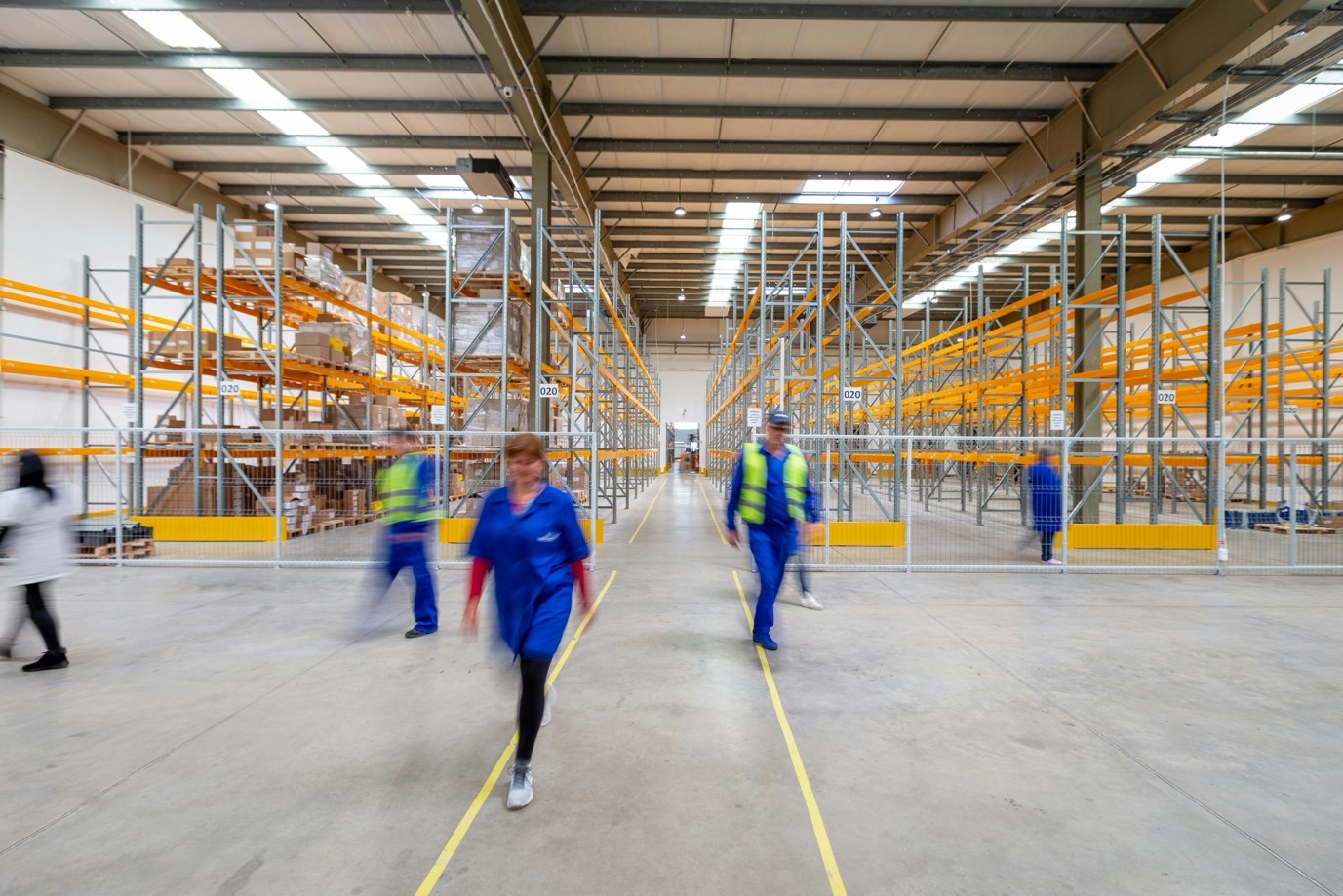
In high-pressure environments, it’s easy to focus on throughput and forget the people making it happen. But in 2025, many operations learned the hard way: tired, disengaged teams make slower, riskier decisions.
It’s no surprise that these improvements also reduced accident reports and sick leave. A well-designed space lifts both morale and output.
At Dalvie, we prioritise layouts that work for people, not just processes. Because when your team feels safe, supported, and seen, they work smarter.
Another 2025 revelation: having more space doesn’t always mean using it well. This year marked a shift from “how many pallets can we squeeze in?” to “how can our space work harder and safer?”
The most resilient sites we worked with:
Some clients in Birmingham were able to avoid costly relocation by building up, not out, with a custom mezzanine solution paired with double deep pallet racking systems. It saved money, improved workflow, and allowed future expansion.
Space isn’t just physical, it’s strategic. And in 2026, making smarter use of it will be key to staying competitive.
2025 was also the year many warehouses moved away from reactive maintenance to preventative culture. And the difference showed.
Warehouses that embedded regular rack inspections, signage checks, and layout audits into their daily or weekly routines saw:
At Dalvie Systems, our rack inspection and repair service keeps clients compliant and agile, whether it was spotting early signs of wear or fixing impact damage before it escalated.
Heading into 2026, treat maintenance like your most valuable tool. Build it into your operations, not just your emergency response.
If 2025 proved anything, it’s that demand is unpredictable, and rigid layouts don’t adapt well.
The warehouses that coped best were those that planned for change:
Adaptability became the backbone of warehouse resilience. If you’re still running a one-size-fits-all layout, it may be time to rethink it.
Resilience isn’t just about surviving change but being ready for it.
The most successful warehouses in 2025 didn’t just adapt, they planned. They used quiet Q1 periods to assess, upgrade, and rethink.
Whether it was refreshing outdated racking, adding mezzanine floors, or redesigning layouts with staff input, these upgrades paid dividends during peak trading.
If 2025 pushed your warehouse to its limits, now’s the time to act. Don’t wait for the next crisis to rethink your setup.
As you plan for 2026, here are three actions to take now:
Schedule a rack inspection and maintenance review
Evaluate your space, can mezzanine floors, modular racking, or layout changes improve flow and safety?
Get staff input, understand their challenges and frustrations from 2025. Their insights are gold.
At Dalvie Systems, we’re not just here to install equipment. We help build efficient, people-centred spaces that are ready for whatever the next year brings.
2025 tested every warehouse, but it also taught us what matters most: our people, our adaptability, and the way we use space. The strongest operations weren’t the biggest, they were the most responsive, reflective, and ready to act.
If you’re reflecting on this year and want to build a better one ahead, Dalvie Systems is here to help.
Let’s turn the lessons of 2025 into your advantage for 2026.
