
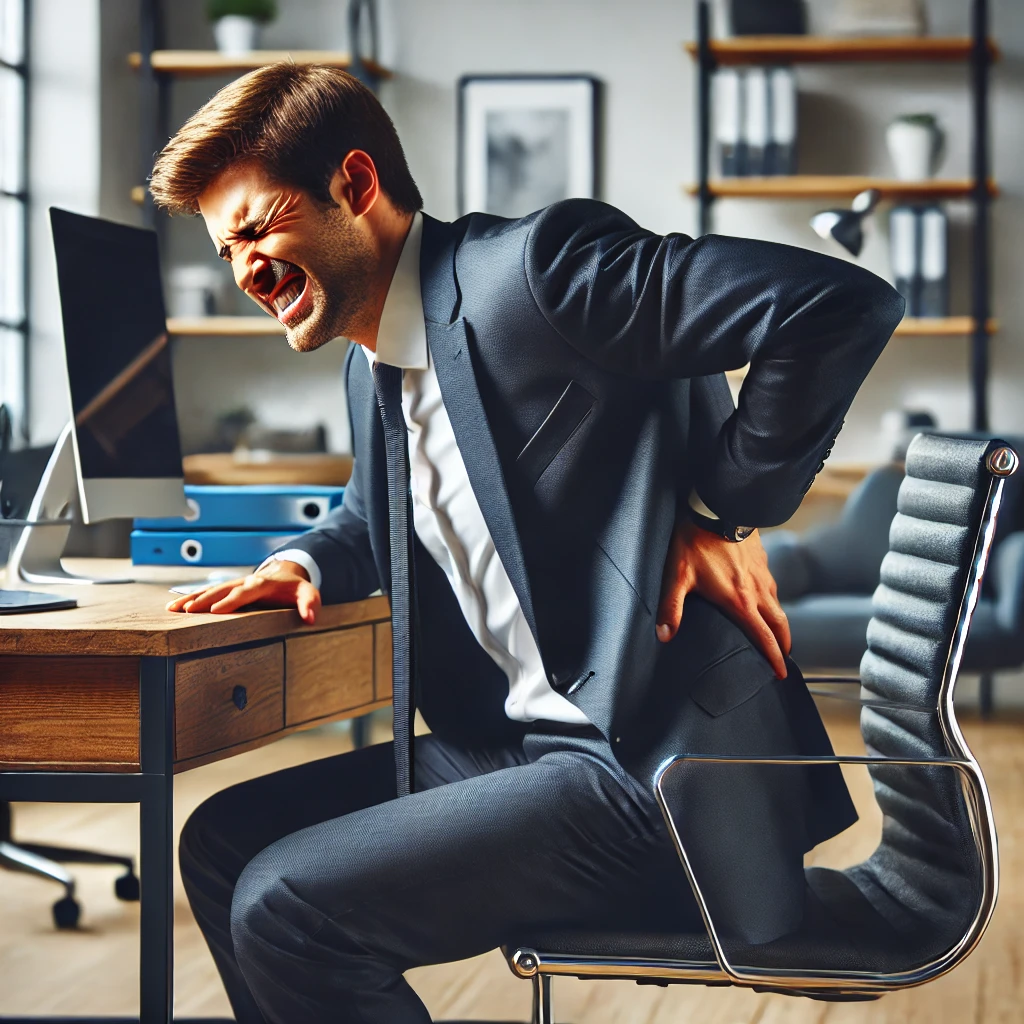
When considering new office furniture, particularly office chairs, it’s essential to factor in ergonomics. With employees spending several hours each day seated, the right ergonomic features are crucial to maintaining comfort, productivity, and health. Poorly designed office seating can lead to various musculoskeletal issues, so investing in ergonomic office chairs should be a priority. This guide highlights the key ergonomic features to consider when selecting seating solutions for your workplace, especially in the context of office refurb projects in the West Midlands.
An ergonomic office chair must offer an adjustable seat height. This allows individuals to set the chair to their personal comfort level, ensuring their feet are flat on the floor, thighs are horizontal, and arms are even with the height of the desk. Proper seat height reduces strain on the legs and back, preventing discomfort during long periods of sitting.
Lower back support, or lumbar support, is one of the most critical ergonomic features. Many office chairs today are designed with lumbar adjustments, which provide added support to the natural inward curve of the lower back. Without proper lumbar support, the spine may not maintain its natural curve, leading to slouching and lower back pain. For employees spending 8 hours or more in the office, adjustable lumbar support is a must-have for preventing discomfort and promoting proper posture.
Seat dimensions can have a significant impact on comfort. Chairs with adjustable seat depth allow users to position the seat so that there’s approximately two to three inches between the back of the knees and the edge of the seat. This feature helps in distributing the body weight evenly and avoids pressure points. Proper seat width also ensures a comfortable sitting position for users of various body sizes. A chair that’s too narrow can be restrictive, while one that’s too wide might not provide the necessary support.
The backrest of an ergonomic chair should be adjustable in both height and angle, such as with our Ergo Comfort PU. This allows users to recline slightly, alleviating pressure on the spine. The backrest should conform to the spine’s natural curve, providing ample support to the middle and upper back, ensuring that users don’t slouch or strain their muscles. For long-term comfort, a reclined position of 100 to 110 degrees is generally considered optimal for reducing stress on the spine.
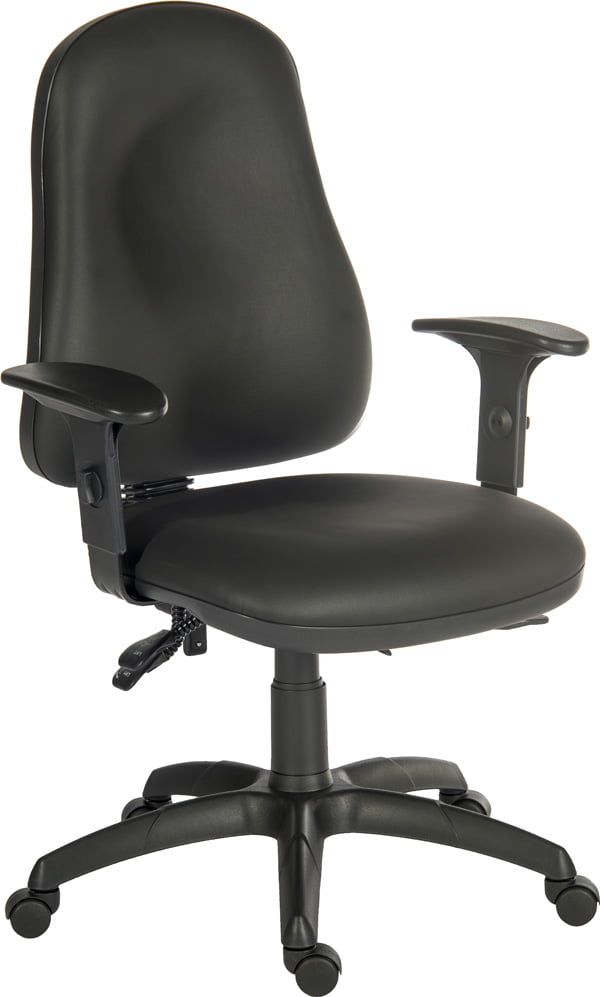
Adjustable armrests are essential for supporting the forearms and preventing shoulder strain. Armrests should be positioned so that the user’s arms can rest comfortably while typing or working without elevating the shoulders or forcing them into an unnatural position. Some chairs offer adjustable width and angle of the armrests, providing greater flexibility for different needs and preferences.
Office chairs that swivel allow users to reach different areas of their workspace without straining or overreaching. A good ergonomic chair should rotate smoothly, preventing awkward twisting motions that could lead to back or shoulder injuries. Additionally, wheels or castors should glide effortlessly over various flooring types, whether carpet or hardwood, allowing for easy movement around the workspace.
Another often-overlooked feature of office seating is the material of the chair. Breathable mesh backs, for instance, promote air circulation, keeping the user cool and comfortable during long working hours. While leather may provide a more luxurious look, it can retain heat and become uncomfortable over time. Fabrics that are durable, breathable, and easy to clean are typically preferred for ergonomic chairs.
Although not essential for everyone, a headrest can add significant value to an ergonomic chair, particularly for those who experience neck pain, and our Ergo Plus HR Premier Chair could be the perfect option. The headrest supports the back of the head and neck, which is especially useful for individuals who spend long hours reading or viewing screens. It also promotes better posture by keeping the head aligned with the spine.
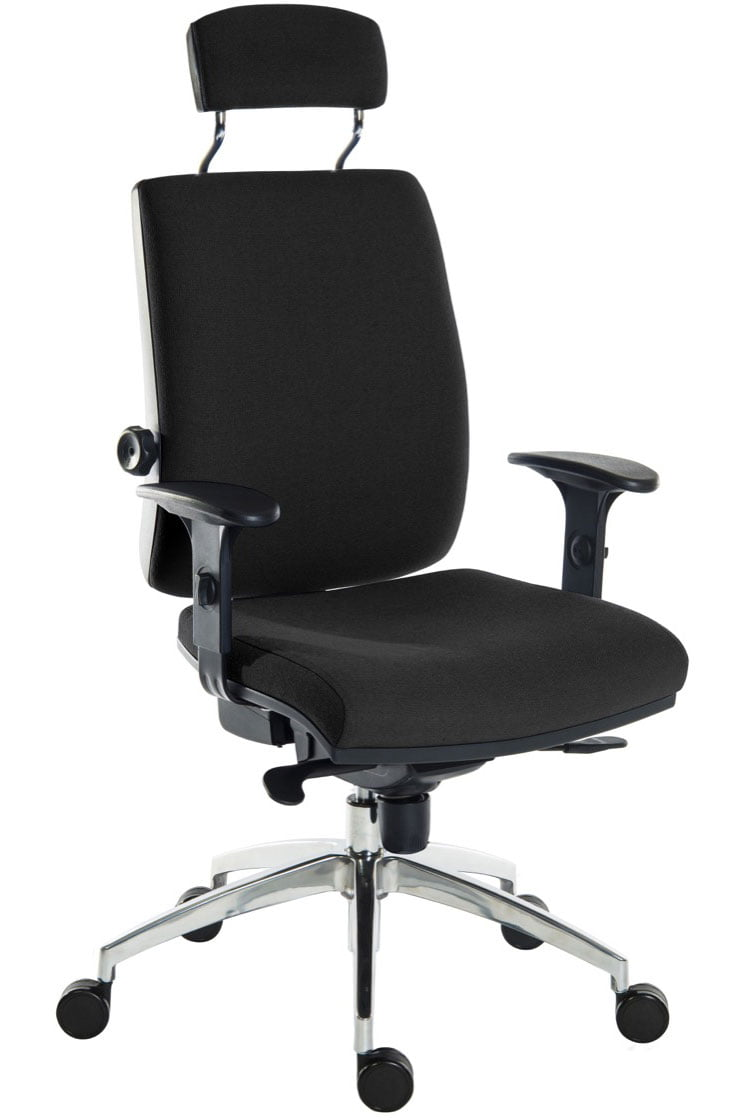
While comfort is paramount, durability should not be overlooked. Office chairs endure heavy use throughout the workweek, so investing in high-quality, durable materials is key. Stability is another crucial factor—chairs should have a five-point base for even weight distribution and to prevent tipping.
Beyond ergonomic features, consider the overall aesthetic of the office environment when selecting office furniture. Bespoke or custom-built seating options can help create a cohesive, modern workspace that aligns with your brand. The team at Dalvie Systems can supply and install furniture to fit your unique requirements, whether you’re planning an office refurb or updating office furniture in Wolverhampton.
When choosing ergonomic office seating, focus on features that promote both comfort and health. Proper adjustments for height, lumbar support, armrests, and backrest angle are essential for reducing the risk of musculoskeletal problems associated with prolonged sitting. The correct chair not only boosts employee well-being but also enhances productivity. As you plan your office refurb or explore office furniture, remember that ergonomic office chairs are a worthwhile investment for long-term health and productivity.
